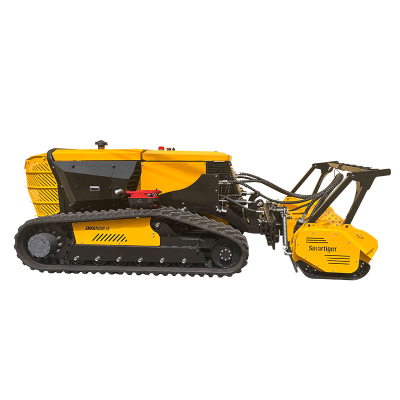
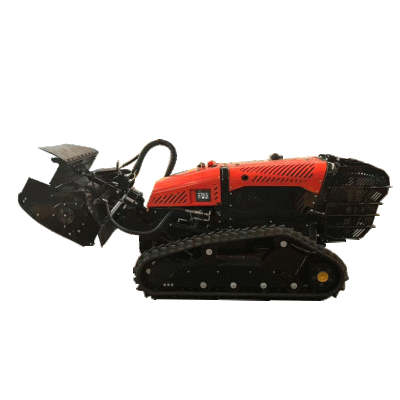
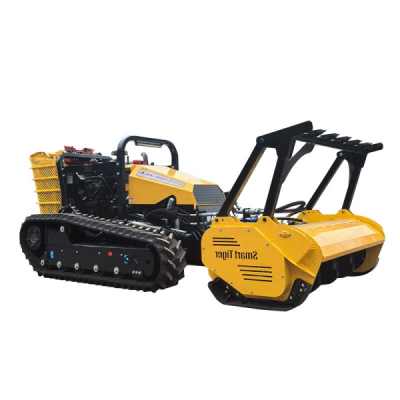
How to choose a tracked remote-controlled lawnmower?
How to Choose a Tracked Remote-Controlled Lawnmower: A Professional Buyer's Guide
The adoption of tracked remote-controlled lawnmowers represents a significant technological leap in professional landscaping, golf course management, and municipal maintenance. These machines offer unparalleled safety on slopes and superior traction on challenging terrain. However, with a growing global market, selecting the right model requires careful analysis beyond basic specifications. Choosing incorrectly can lead to underperformance, increased operating costs, or safety risks. This comprehensive guide provides a systematic, five-step framework to help professional buyers evaluate and select the optimal tracked remote control mower for their specific operational needs and terrain challenges.
Step 1: Pre-Purchase Analysis – Precisely Define Your Application and Terrain
The first and most critical step is a thorough assessment of your primary use case. A tracked remote-controlled lawnmower is a substantial investment, and its configuration must match your reality.
Conduct a Detailed Terrain and Task Audit
Ask and answer these key questions:
Slope Gradient and Complexity: What is the maximum and average incline you need to manage? Are slopes uniform or irregular with side-hills? This determines the required stability class. Slope mowers are specifically rated for maximum safe operating angles (e.g., 30°, 40°, or more).
Ground Conditions: Is the terrain primarily soft, wet, or sensitive (e.g., golf course roughs, sports fields)? Or is it firm but uneven (e.g., embankments, pastures)? Soft ground demands an ultra-low ground pressure (LGP) tracked mower to prevent sinking and turf damage.
Obstacle Density: Are there many trees, rocks, or landscape features? This affects the required maneuverability and potentially deck durability.
Area Size and Grass Type: The total mowing area and grass thickness (e.g., fine fescue vs. thick wet rye) dictate the necessary cutting width, power, and battery/fuel capacity for efficient operation.
Outcome: You will have a clear profile: e.g., “a machine for maintaining steep, wet highway embankments with variable side slopes” or “a mower for large, rolling pastures with occasional wet patches.”

Step 2: Evaluate Core Technical Specifications: The Heart of Performance
With your application profile defined, delve into the technical specifications that separate adequate machines from high-performance assets.
Track System Analysis
The track system is the defining feature. Do not compromise here.
Track Material and Design: Look for reinforced rubber tracks with steel or fabric cord reinforcement for durability and flexibility. Assess the track’s width and length – wider, longer tracks provide lower ground pressure and better stability.
Ground Pressure (PSI/kPa): This is a non-negotiable metric for sensitive turf. The best commercial remote control track mowers specify their ground pressure. For delicate areas, aim for models under 2.5 PSI (17 kPa).
Undercarriage Durability: Inspect the quality of drive sprockets, idlers, and rollers. Sealed bearings and a robust chassis design are essential for longevity and minimal maintenance in abrasive conditions.
Drive and Powertrain Configuration
Independent Track Control (Skid-Steer): Ensure the mower features true independent control of each track via separate hydraulic motors or electric drives. This enables zero-radius turns for exceptional maneuverability around obstacles.
Power Source – Electric vs. Engine-Driven Hydraulics:
Electric Drive (Battery-Powered): Offers quiet operation, zero local emissions, instant torque, and lower daily maintenance. Ideal for noise-sensitive areas (parks, schools) and indoor/outdoor facilities. Evaluate battery voltage, Ah rating, and expected runtime per charge. Leading innovators like Qingdao Huaying Intelligent Equipment Co., Ltd. have developed high-efficiency electric systems that deliver robust, all-day performance for demanding remote-controlled mowing tasks.
Hydraulic Drive (Diesel/Gasoline): Provides extended runtime for the largest properties and immense power for the toughest conditions, including heavy brush attachments. Consider fuel capacity and hydraulic system quality.
Step 3: Evaluate the control system and operator interface. The remote control system is your direct link to the machine. Its reliability and functionality are crucial for safety and productivity. Control range and reliability: A professional system should provide a clear, safe signal range of at least 150-200meters. Look for digital frequency hopping spread spectrum (FHSS) technology to prevent interference from other devices on site. Transmitter ergonomics and feedback: The handheld controller should be ergonomic with an intuitive joystick or control handle. A backlit LCD screen with real-time telemetry (speed, battery/fuel, system warnings, blade engagement) is a hallmark of a professional machine. Safety features: Confirm the presence of key safety measures: automatic engine/motor shutdown in case of signal loss, and a prominent emergency stop button on the transmitter.
Step 4: Consider Cutting Performance, Attachments, and Build Quality
The mower must not only traverse the terrain but also deliver a quality cut and withstand professional use.
Cutting Deck Specifications: Examine deck construction material (reinforced steel), cutting width options, and ease of height-of-cut adjustment. A durable spindle assembly and a high-lift blade design are crucial for clean cutting and efficient grass discharge.
Versatility and Attachments: A key advantage of a tracked remote mower is its potential as a multi-season platform. Check compatibility with manufacturer-offered attachments like flail mowers, brush cutters, snow blades, or aerators to maximize your return on investment.
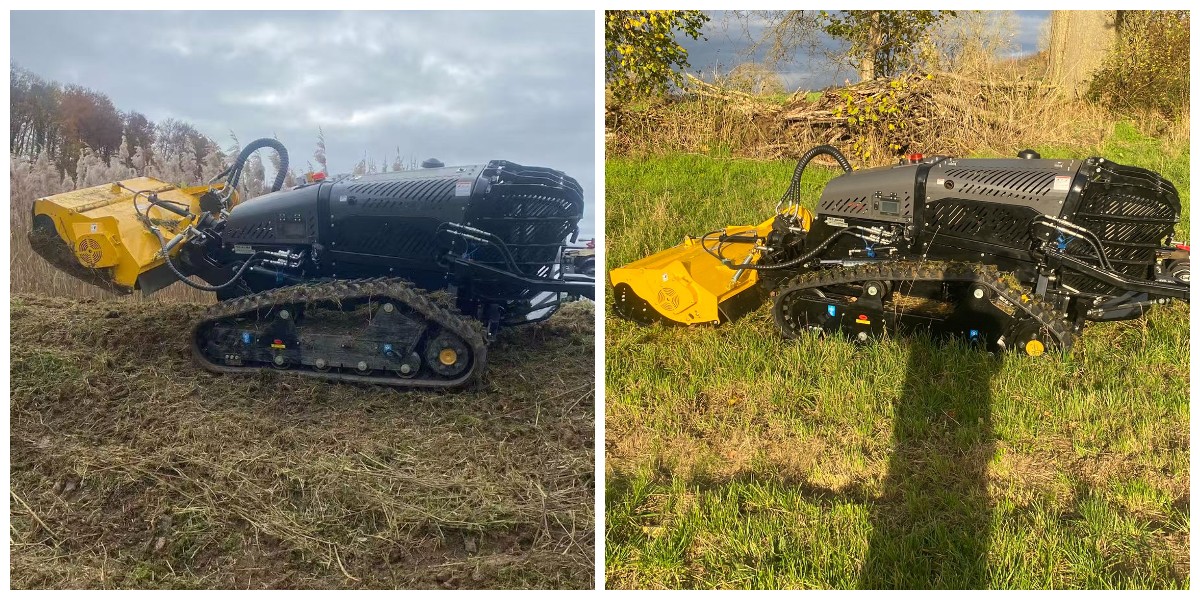
Overall Build Quality and Serviceability: Inspect the quality of welding, wiring harness protection, and component accessibility. Easy access to routine service points (filters, grease fittings) reduces downtime and maintenance costs.
Step 5: Synthesize Information: Total Cost of Ownership and Supplier Evaluation
The final step involves looking beyond the initial purchase price.
Calculate Total Cost of Ownership (TCO): Factor in estimated costs for maintenance, repairs, energy (fuel/electricity), and potential downtime. A slightly higher initial investment in a robust, reliable machine from a reputable manufacturer often results in a lower TCO over 5-7 years.
Evaluate the Manufacturer/Supplier:
Reputation and Specialization: Does the supplier have proven expertise in professional landscaping equipment? Look for case studies or testimonials from similar applications.
Technical Support and Parts Availability: Reliable after-sales service, accessible technical documentation, and a global parts supply network are critical for professional users. A company’s commitment to R&D, as seen in firms like Qingdao Huaying Intelligent Equipment Co., Ltd., indicates a focus on long-term product evolution and support.
Warranty Terms: Understand the scope and duration of the warranty for the chassis, drivetrain, and control system.
Conclusion: Making an Informed, Strategic Investment
Choosing the right tracked remote-controlled lawnmower is a strategic decision that impacts safety, productivity, and turf health for years to come. By methodically following this five-step framework—defining your application, scrutinizing technical specs (especially the track system and powertrain), evaluating the control interface, assessing cutting performance and build quality, and conducting a thorough supplier and TCO analysis—you move beyond marketing claims to make a data-driven selection.
The optimal machine is the one that seamlessly aligns engineering capability with your specific terrain challenges and operational goals. It is an investment not just in a piece of equipment, but in a safer, more efficient, and more capable future for your grounds care operations. By prioritizing quality engineering and proven performance from established manufacturers, you ensure this investment delivers maximum value and reliability across its service life.