How long do lightweight mowers last?
For homeowners and professional landscapers alike, the lightweight mower has become an indispensable tool, prized for its ease of handling, maneuverability, and storage convenience. However, a critical question arises at the point of purchase and throughout its use: how long do lightweight mowers last? Understanding the lifespan of your equipment is key to evaluating its long-term value and return on investment. While a general expectancy ranges from 5 to 10 years, achieving the upper end of this spectrum—or even beyond—hinges on a confluence of factors including build quality, usage patterns, maintenance rigor, and technological choices. This guide delves into the core determinants of lightweight mower longevity and provides actionable strategies to maximize your machine's service life.
Core Factors Determining Lightweight Mower Lifespan
The durability of a lightweight lawn mower is not predetermined by a single feature but is the result of several interconnected elements. From its internal mechanics to the environment it operates in, each aspect plays a pivotal role.
1. Construction Quality and Key Components
The adage "you get what you pay for" holds particularly true here. The choice of materials and core component technology sets the fundamental durability ceiling.
Motor Type: The Heart of the Machine
Brushed Motors: Common in older or entry-level electric models. They use physical carbon brushes for commutation, which gradually wear down. This inherent friction leads to more heat, lower efficiency, and a shorter operational lifespan for the mower motor itself, often necessitating replacement sooner.
Brushless Motors: The standard in modern, premium lightweight electric mowers. They utilize electronic controllers for commutation, eliminating brush friction. Benefits include higher efficiency, less heat generation, significantly reduced wear, and greater reliability. A lightweight mower with brushless motor typically promises a much longer service life and sustained power output.
Deck Material and Blade Integrity
The mower deck withstands constant impact from debris. High-quality polymers (like reinforced polypropylene) or coated steel resist corrosion and cracking better than thin, untreated metals. Similarly, a hardened steel blade that is kept sharp reduces strain on the motor and delivers a cleaner cut, contributing to overall system health.
2. Power Source and Its Implications
The choice between gas, corded electric, and battery-powered models profoundly impacts maintenance needs and longevity.
Gas-Powered Lightweight Mowers: Offer power and runtime freedom but require the most intensive upkeep. Engine lifespan depends heavily on regular oil changes, air filter cleaning, spark plug replacement, and proper fuel management (using stabilizers to prevent gumming). Neglect here is the primary reason for premature lightweight mower failure.
Battery-Powered (Cordless) Mowers: Represent the low-maintenance frontier. Lifespan is closely tied to battery health and longevity. Lithium-ion batteries have a finite number of charge cycles (typically 500-1000+). Factors like using the correct charger, storing batteries in a cool, dry place, and avoiding complete depletion can dramatically extend battery life for lightweight mower units. The mower's electronic components are generally robust but sensitive to moisture.
Corded Electric Mowers: Have the simplest powertrain—just a motor and switch. Their lifespan is often very long, limited mainly by motor wear, cord damage, or physical impact. The operational constraint is the cord itself.
3. Usage Patterns and Operational Environment
How and where you use your mower is a practical determinant of its durability.
Lawn Size and Terrain: Mowing a small, flat, suburban lawn weekly places far less cumulative stress on all components than frequently tackling a large, sloped, or rough area with dense grass and hidden obstacles. The latter scenario accelerates wear on blades, wheels, motors, and decks.
Frequency and Seasonality: Regular use is often better than long periods of stagnation, especially for gas engines. However, extreme overuse without rest periods can cause overheating. Proper end-of-season storage procedures are critical for preserving any mower's condition across years.
Operator Care: Simple habits—like clearing the lawn of sticks and stones before mowing, avoiding mowing in wet conditions (which causes clumping and corrosion), and not hitting solid objects—directly prevent damage and extend lightweight mower service years.
Maximizing Your Lightweight Mower's Lifespan: A Proactive Maintenance Guide
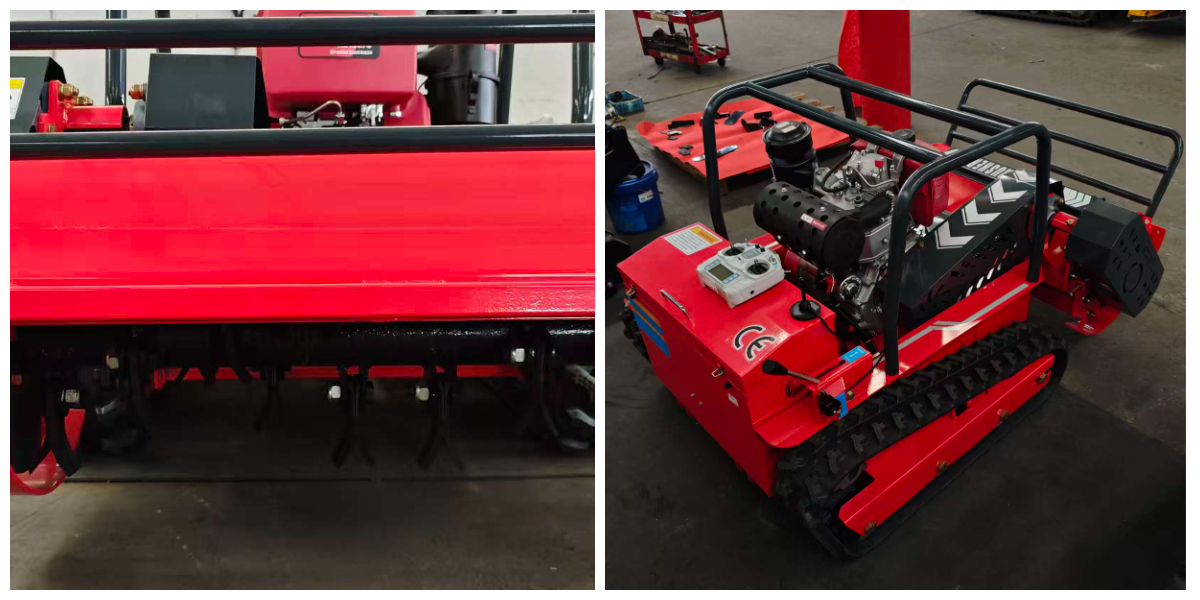
Extending the functional life of a lightweight mower requires a consistent, proactive approach. Follow this structured maintenance plan to ensure your machine operates reliably for years.
Immediate Post-Use Care (After Every Mow)
These quick steps prevent long-term damage:
Disconnect Power Source: Remove the battery or unplug the cord (for gas, turn off and remove the key/spark plug wire).
Clean the Underdeck: Use a brush or scraper to remove caked-on grass clippings. This prevents corrosion, maintains proper airflow, and stops clumps from hardening.
Wipe Down Exterior: Remove dust, moisture, and grass from the top deck, handle, and controls.
Weekly/Monthly Maintenance Checks
Inspect the Blade: Check for nicks, bends, or dullness. A dull blade tears grass, stressing the plant and the mower's motor. Sharpening the mower blade regularly is one of the most effective ways to maintain performance and efficiency.
Check Fasteners and Wheels: Ensure all bolts, nuts, and the blade retaining nut are tight. Inspect wheels for damage and ensure they rotate freely.
Seasonal and Annual Deep Maintenance
End-of-Season Storage Prep (Critical):
Gas Models: Either drain the fuel system completely or add a fuel stabilizer and run the engine for 5 minutes to circulate it. Change the oil, clean or replace the air filter, and remove the spark plug to add a small amount of oil into the cylinder before slowly pulling the starter cord to coat the interior.
Battery Models: Clean the mower thoroughly. Charge the battery to about 50-60% and store it in a dry, temperature-stable environment (ideally between 40-80°F / 5-27°C). Avoid storing a fully charged or fully depleted battery for long periods.
All Models: Store in a clean, dry place, preferably covered.
Professional Servicing and Parts Replacement
Adhere to the manufacturer's recommended service intervals. For complex repairs—such as internal motor issues, transmission problems, or electronic controller failures—seek authorized lightweight mower repair services. Using genuine or high-quality replacement parts ensures compatibility and preserves the designed longevity of the equipment.
Technological Leadership in Durability: The Case of Qingdao Huaying Intelligent Equipment Co., Ltd.
In the competitive landscape of outdoor power equipment, manufacturers are continuously innovating to enhance product durability and lifespan. A prime example is Qingdao Huaying Intelligent Equipment Co., Ltd., a company that has integrated advanced engineering into its lightweight mower designs to directly address common failure points and extend service life.
Qingdao Huaying's approach to building long-lasting mowers focuses on several key areas:
Advanced Powertrain Integration: By utilizing high-efficiency brushless motors paired with intelligent battery management systems, their cordless mowers optimize power delivery while minimizing heat and component stress. This engineering directly contributes to a longer lifespan for the lightweight mower's core drive system.
Durable Material Science: The selection of high-impact, UV-resistant polymers for deck construction and reinforced alloys for critical structural components ensures the mower can withstand operational rigors and environmental exposure without degrading.
Design for Reliability and Ease of Maintenance: Thoughtful design, such as easily accessible blade removal systems, tool-free height adjustments, and simplified cleaning pathways, encourages users to perform regular upkeep—a crucial factor in achieving the maximum lightweight mower operational life.
This focus on built-to-last principles not only answers the core question of "how long do lightweight mowers last?" with confidence but also provides tangible value to the end-user through reduced long-term ownership costs and consistent performance.
Conclusion: Investing in Long-Term Performance
So, how long do lightweight mowers last? The answer is multifaceted. While a typical range is 5 to 10 years, your specific outcome is largely within your control. It begins with selecting a well-constructed mower from a reputable manufacturer that uses quality components like brushless motors and durable materials. Brands like Qingdao Huaying Intelligent Equipment Co., Ltd. exemplify how technological investment translates into enhanced product longevity.
Ultimately, the true lifespan of your lightweight lawn mower will be defined by the synergy between intelligent purchase decisions and a committed, regular maintenance regimen. By understanding the factors at play and adopting proactive care habits, you can ensure your lightweight mower remains a reliable and valuable partner in lawn care for many seasons to come, maximizing your investment and delivering pristine results year after year.