Product Introduction
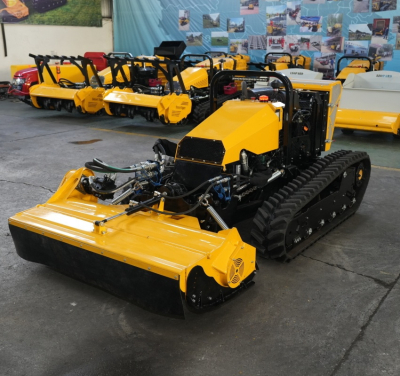
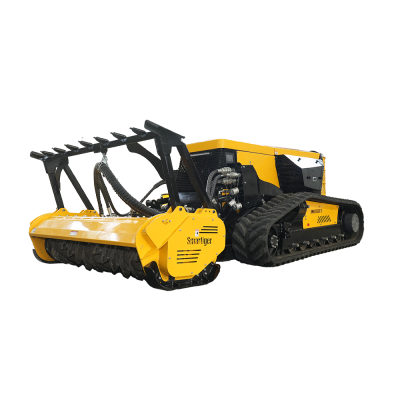
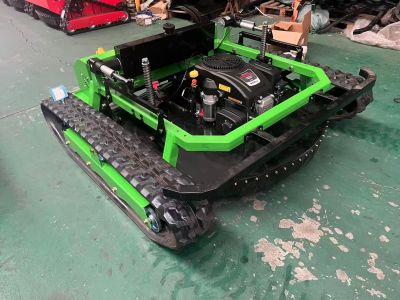
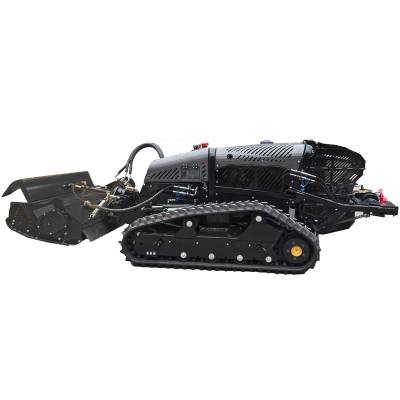
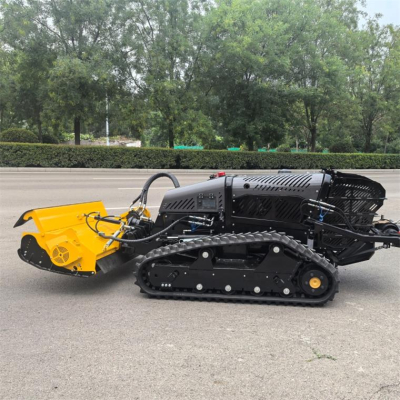
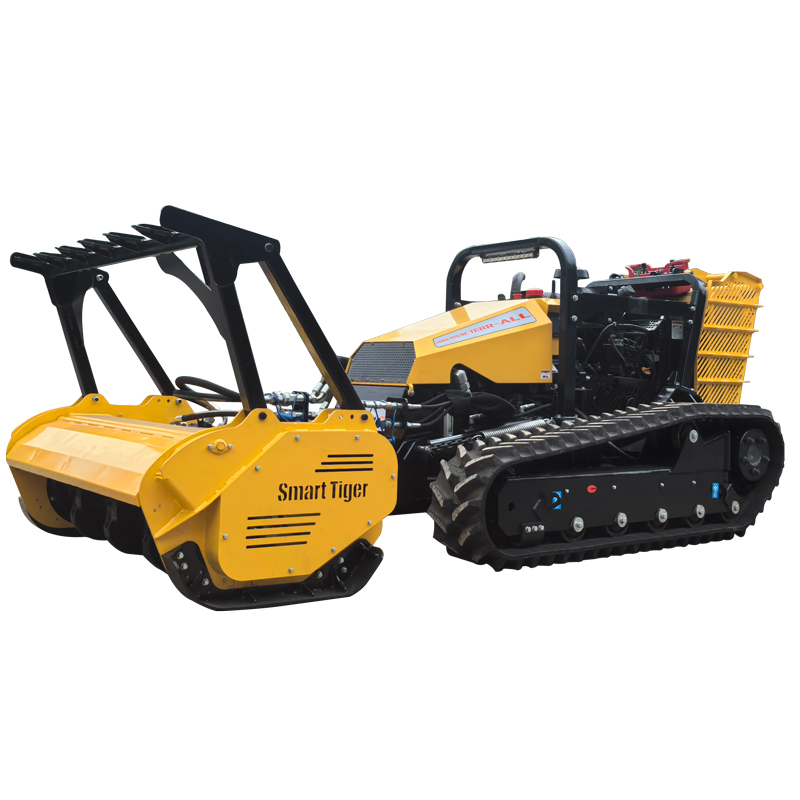
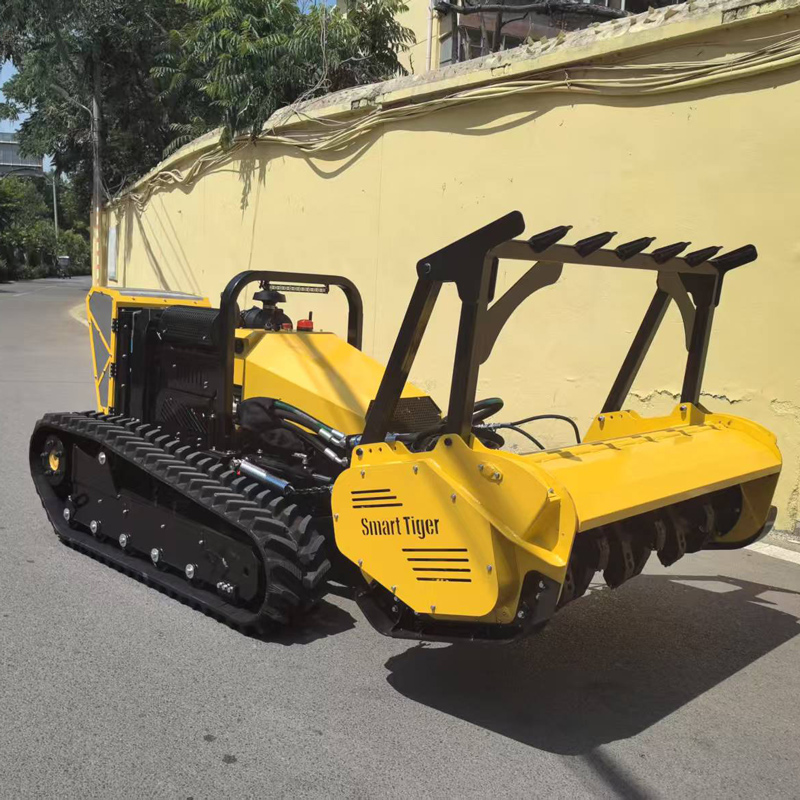
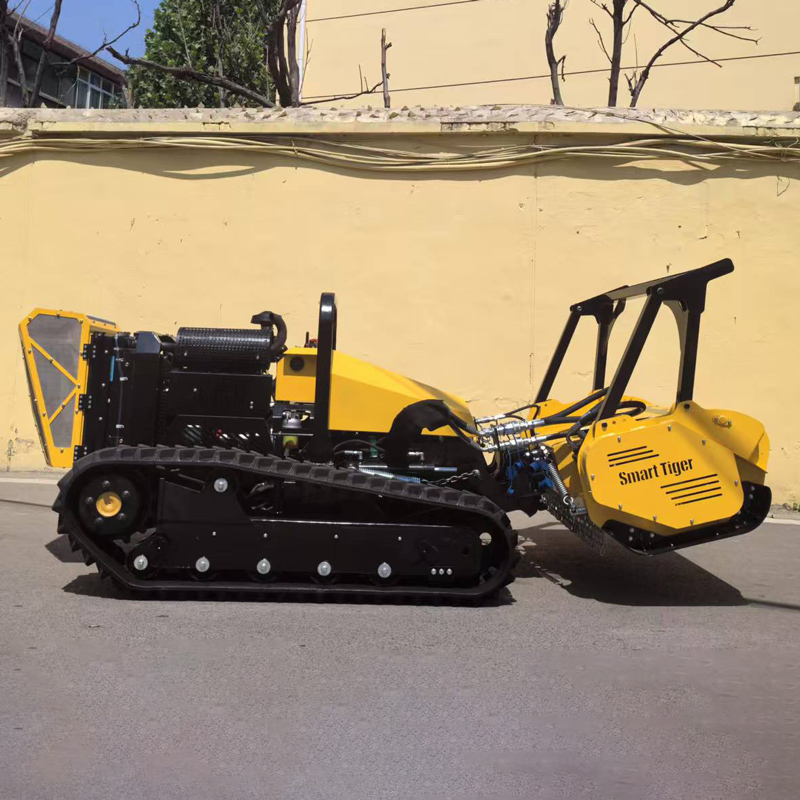
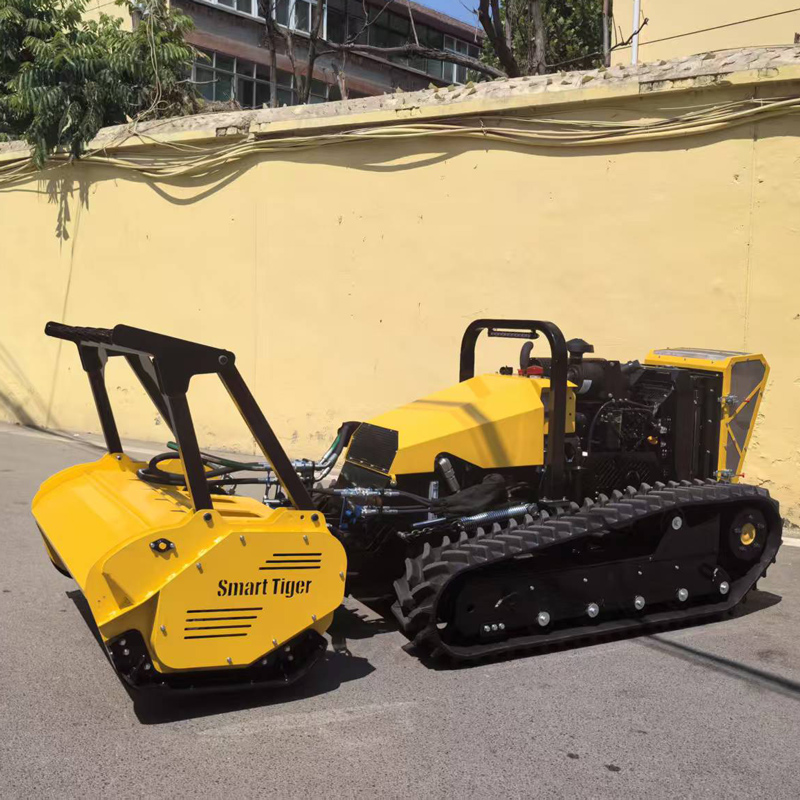
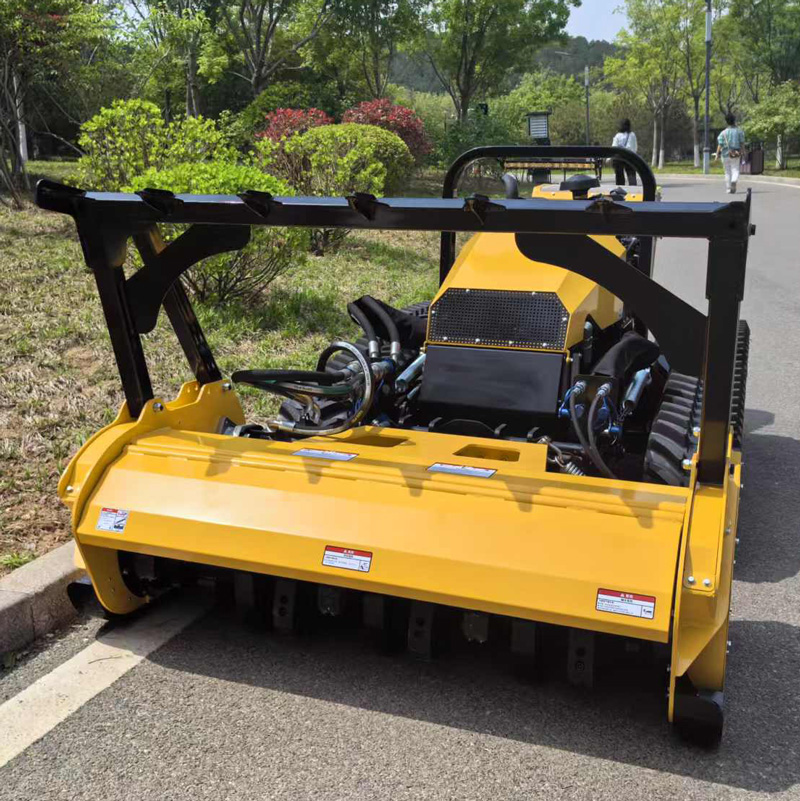
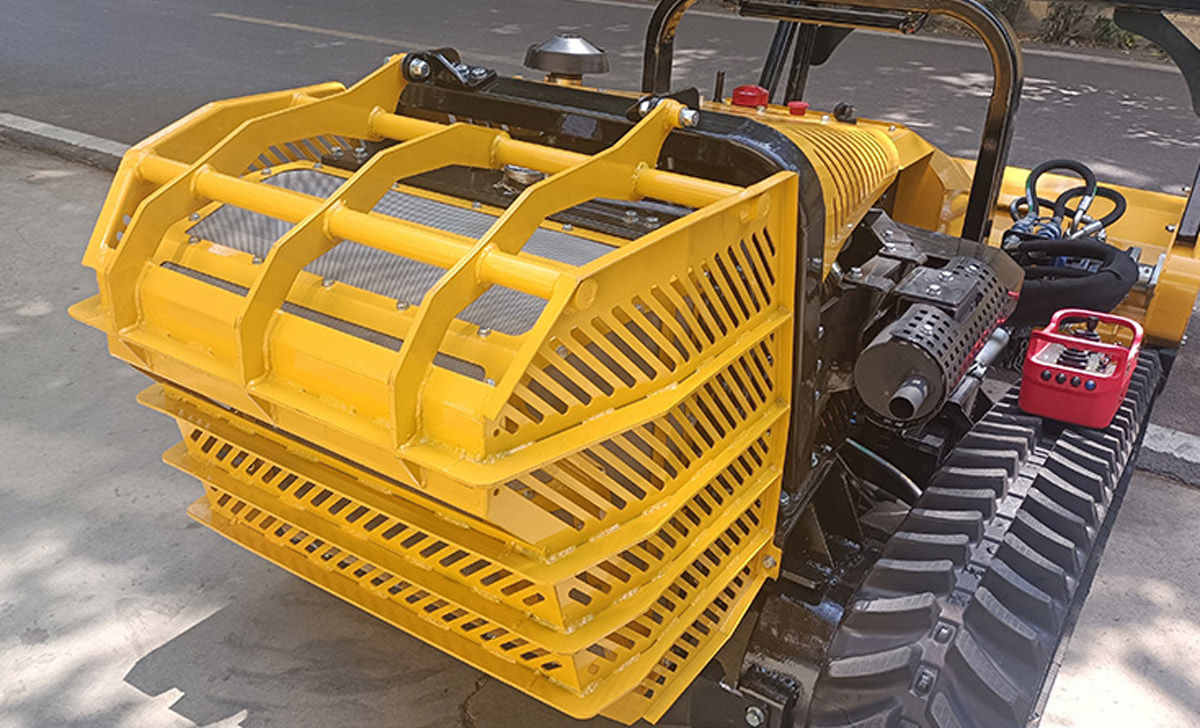
The Robotic Mulcher is a purpose‑engineered, remote‑controlled vegetation management machine designed for the most demanding environments in forestry, land clearing, and slope care. Unlike conventional mowers or mulchers that require operators to work in close proximity to hazards, the Robotic Mulcher combines intelligent safety systems with robust mechanical design to deliver reliable, accident‑free performance on steep slopes, rugged terrain, and dense vegetation.
Built around a powerful diesel engine and a heavy‑duty mulching rotor, the Robotic Mulcher is capable of processing thick brush, saplings, and overgrown undergrowth with ease. Its true distinction, however, lies in its targeted safety engineering – a comprehensive suite of tilt sensors, over‑angle alarms, automatic shutdown protocols, and brake correction systems that actively prevent accidents before they occur. For contractors, forestry agencies, and land management professionals, the Robotic Mulcher represents a new standard in safe, efficient vegetation control where conventional equipment simply cannot go.
Key Advantages of the Robotic Mulcher
1. Comprehensive Safety System – Proactive Accident Prevention
The Robotic Mulcher is equipped with an integrated safety architecture that continuously monitors the machine’s operating condition. At the core of this system are high‑precision tilt sensors that constantly analyse the machine’s inclination in real time. When the Robotic Mulcher approaches a critical angle, an over‑angle alarm alerts the operator immediately. If the slope exceeds the safe operating threshold, the system triggers an automatic shutdown – halting the mulching rotor and drive motors before the machine can tip or lose control.
This proactive safety approach is particularly valuable on steep slopes where operator error or sudden ground shifts can lead to catastrophic rollovers. The Robotic Mulcher also incorporates a self‑locking mechanism that activates automatically when power is cut off, ensuring the machine remains stationary on slopes without requiring manual intervention. This feature adds a reliable safety layer without increasing operational complexity.
2. Slope Stability – Automatic Brake Correction for Unmatched Traction
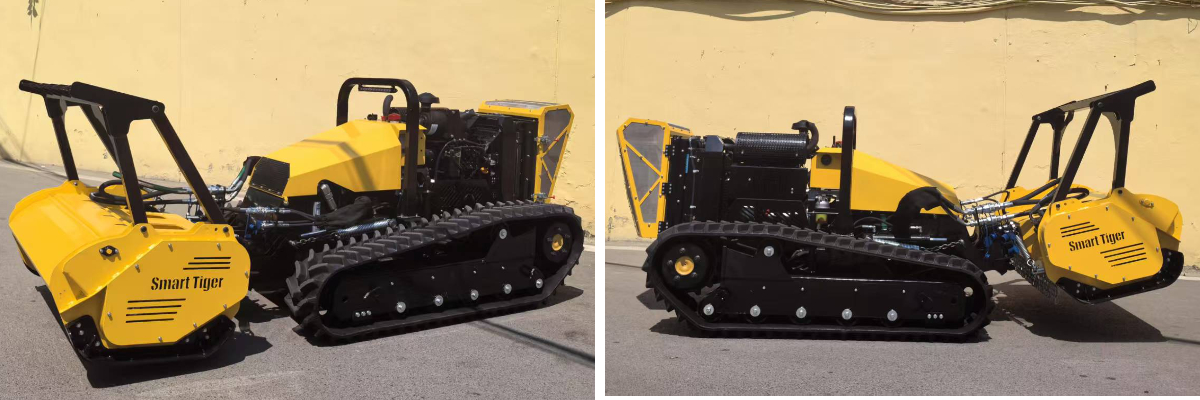
Working on steep, uneven terrain demands more than just power – it requires intelligent traction control. The Robotic Mulcher features an advanced automatic brake correction system that actively manages track speed and braking force to maintain balance and traction on rugged slopes. When the machine detects a loss of grip or an imbalance during mulching tasks, the system independently adjusts the left and right tracks to correct the machine’s attitude, preventing sideways slipping or downhill sliding.
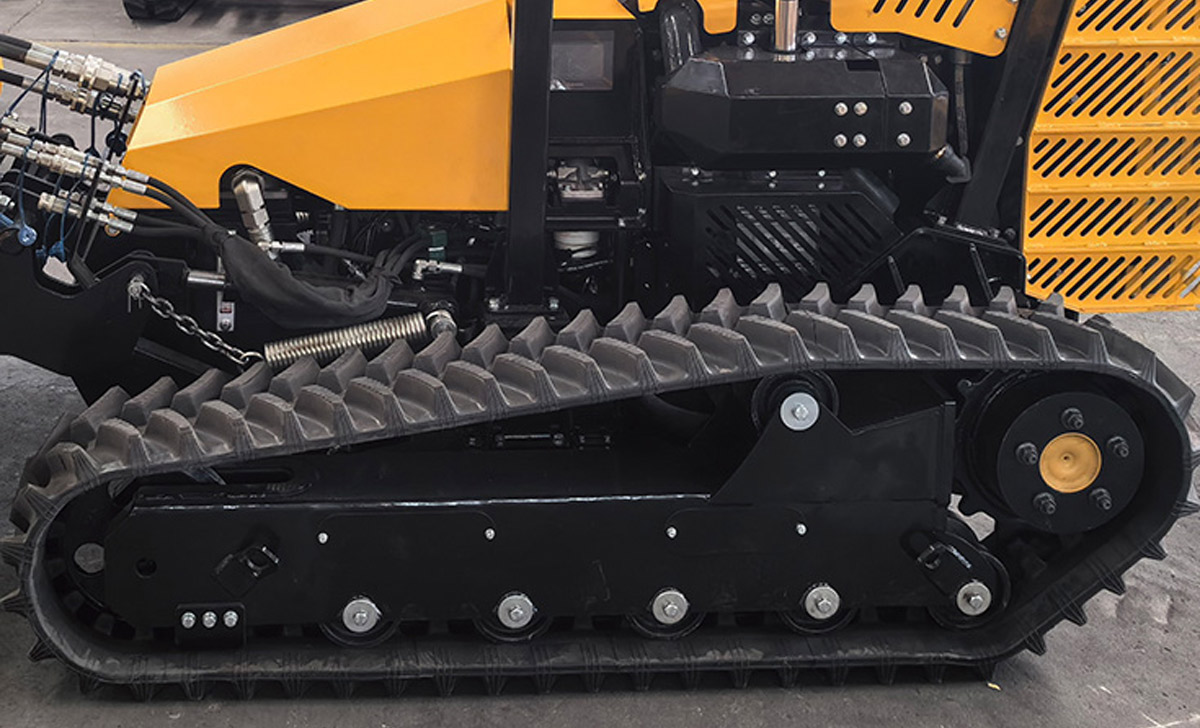
This capability allows the Robotic Mulcher to operate safely on gradients that would stall or tip conventional equipment. The low‑centre‑of‑gravity track chassis, combined with the automatic brake correction, ensures that the Robotic Mulcher maintains consistent contact with the ground – even on loose soil, wet grass, or rocky surfaces.
3. Heavy‑Duty Mulching Performance
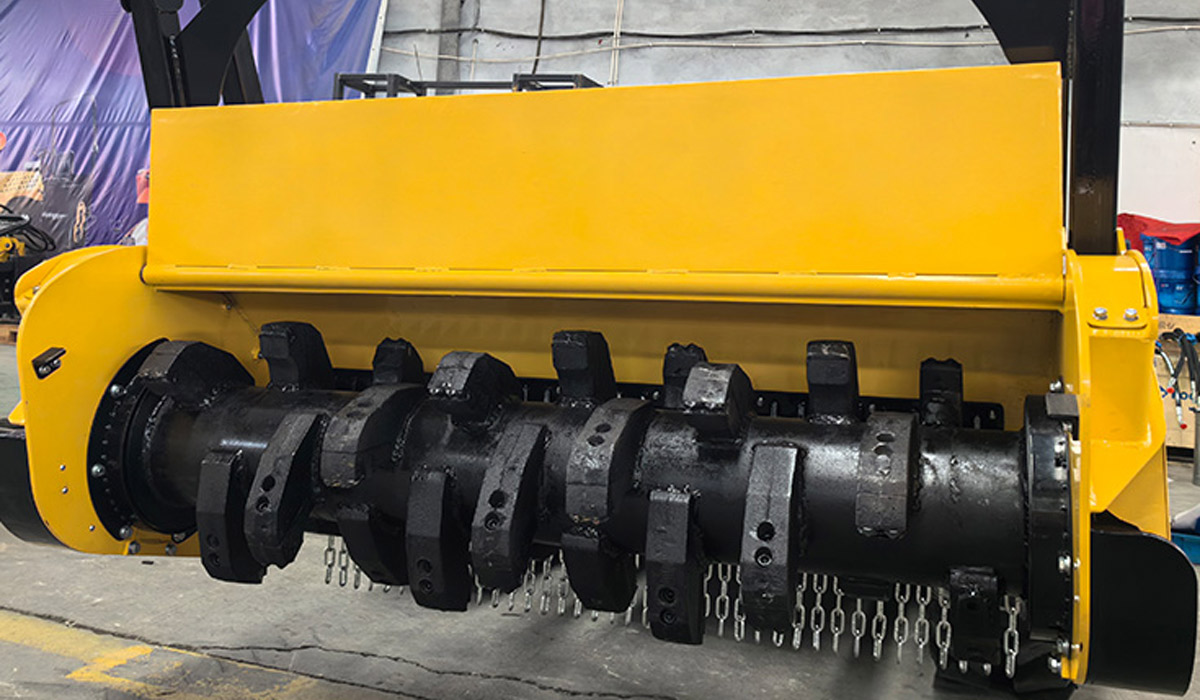
Beyond safety and stability, the Robotic Mulcher delivers professional‑grade mulching performance. Its high‑torque mulching rotor, equipped with durable cutting tools, processes vegetation and woody material efficiently – from grass and brambles to branches and saplings. The machine is engineered for continuous operation in demanding conditions, with a robust cooling system and heavy‑duty undercarriage that withstands the rigours of forestry and land clearing work.
4. Remote Operation – Operator Safety as Standard
Every Robotic Mulcher comes with a long‑range wireless remote control that keeps the operator at a safe distance – typically up to 150–300 metres from the machine. This eliminates the need for operators to work on or near steep slopes, falling debris, or dense thickets. The remote system includes fail‑safe features such as emergency stop switches on both the transmitter and the machine itself, as well as automatic shutdown on signal loss.
|
|
|
|
Application Scenarios for the Robotic Mulcher
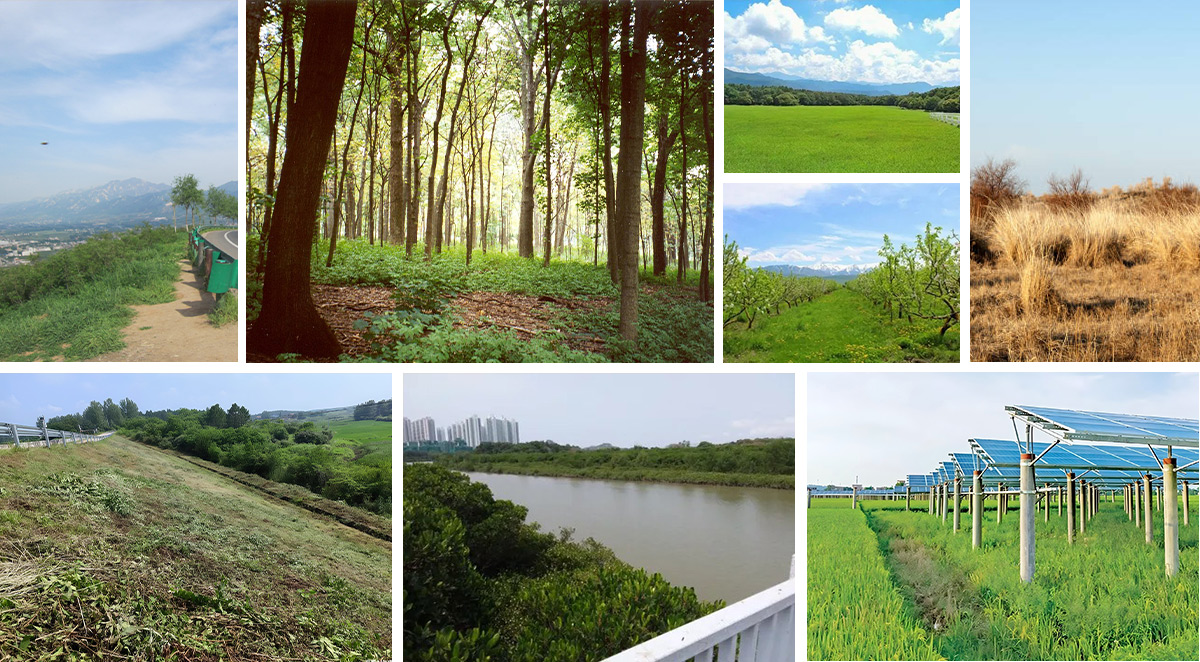
1. Steep Slope Vegetation Management
The challenge: Highway embankments, dam faces, mining berms, and railway cuttings are often too steep for conventional mowers. Manual clearing with brush cutters is slow and exposes workers to serious fall risks.
How the Robotic Mulcher solves it: The Robotic Mulcher climbs and operates safely on slopes where human access is hazardous. The tilt sensors and over‑angle alarms ensure the machine never exceeds its safe operating limit, while the automatic brake correction maintains traction on loose or wet surfaces. Operators stand on level ground, guiding the machine via remote control – eliminating fall‑related injuries completely.
2. Forestry Understory Clearing & Firebreak Construction
The challenge: Dense undergrowth and ladder fuels in forests create fire hazards and hinder reforestation efforts. Traditional mulching equipment often requires heavy machinery that damages soil and root systems.
How the Robotic Mulcher solves it: The Robotic Mulcher navigates through tight forest stands, mulching undergrowth and small trees without damaging the overstory. Its low ground pressure protects soil structure, while the mulching action turns vegetation into fine debris that decomposes quickly. For firebreak construction, the Robotic Mulcher creates clean, fuel‑free corridors that stop ground fires from spreading.
3. Land Clearing for Development & Reclamation
The challenge: Overgrown fields, abandoned farmland, and reclaimed mining sites require rapid vegetation removal before grading or planting. Conventional equipment struggles with mixed vegetation – grass, shrubs, and small trees.
How the Robotic Mulcher solves it: A single Robotic Mulcher can clear several acres per day, processing all vegetation types in one pass. The mulched material becomes organic matter that improves soil quality, eliminating the need for separate disposal or burning. The remote operation allows a single operator to manage large areas efficiently.
4. Roadside & Utility Corridor Maintenance
The challenge: Power line rights‑of‑way, pipeline corridors, and roadside verges must be kept clear of tall vegetation to ensure access and safety. These corridors often run through rough, inaccessible terrain.
How the Robotic Mulcher solves it: The Robotic Mulcher travels along corridors, mulching vegetation that would otherwise require manual crews with chainsaws. The machine’s stability on uneven ground and its ability to operate on slopes make it ideal for maintaining utility easements in hilly or mountainous regions.
5. Golf Courses, Parks & Large Estates
The challenge: Maintaining roughs, woodland edges, and water hazard banks requires equipment that can handle diverse terrain without damaging turf or creating safety risks for staff.
How the Robotic Mulcher solves it: The Robotic Mulcher trims bunker faces, lake banks, and out‑of‑play areas with precision. Its low ground pressure protects turf from compaction, and the remote operation allows groundskeepers to work safely away from water edges and steep drops.
Frequently Asked Questions (FAQ) – Robotic Mulcher
Q1 – What is the maximum slope the Robotic Mulcher can handle?
A: The Robotic Mulcher is designed for safe operation on slopes up to 50–55 degrees, depending on ground conditions and the specific model. The tilt sensors and automatic brake correction system work together to maintain stability and traction at extreme angles. For site‑specific assessments, please provide your maximum slope gradient when requesting a quote.
Q2 – How does the automatic shutdown system work?
A: The Robotic Mulcher continuously monitors its inclination through built‑in tilt sensors. If the machine exceeds its pre‑set safe operating angle, an over‑angle alarm sounds, and if the angle continues to increase, the system triggers an automatic shutdown – stopping the mulching rotor and drive motors to prevent tipping. This feature is completely automatic and does not require operator intervention.
Q3 – What happens if the remote control signal is lost?
A: The Robotic Mulcher is equipped with a fail‑safe radio system. If the signal is lost for more than two seconds, the machine automatically stops all movement and cutting functions, and engages the parking brake. The machine remains stationary until the signal is restored and the operator manually re‑engages the controls.
Q4 – What maintenance does the Robotic Mulcher require?
A: Routine maintenance includes:
Engine: Oil and filter changes every 100–150 hours.
Mulching rotor: Inspect cutting tools daily for wear; replace as needed (typically every 200–300 hours depending on abrasiveness).
Tracks: Check tension every 50 hours; adjust using the grease‑type tensioner. Replace after 800–1,200 hours.
Hydraulic system: Check fluid levels every 200 hours; full change every 500 hours.
Safety sensors: Test tilt sensors and automatic shutdown function weekly to ensure proper operation.
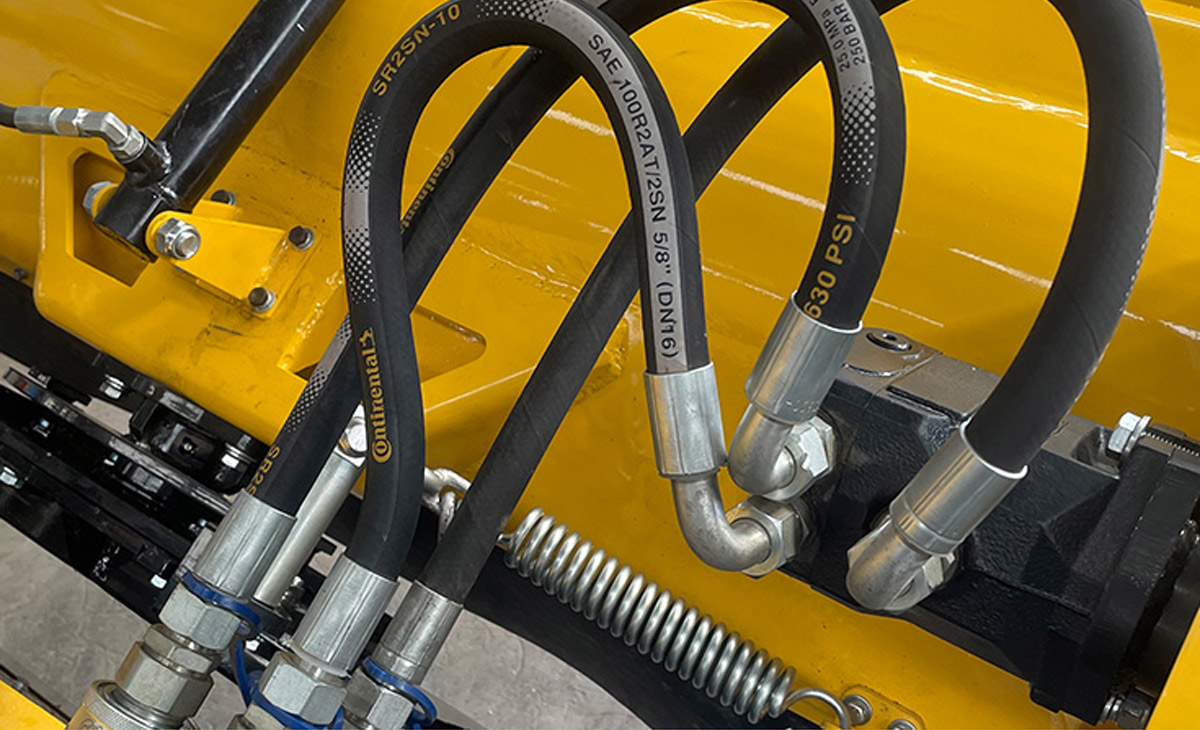
Spare parts – including cutting tools, track segments, hydraulic hoses, and sensor components – are stocked in regional warehouses (Europe, North America, Asia) with delivery typically within 3–5 business days. A 12‑month warranty covers the hydraulic and electronic systems; the engine warranty follows the manufacturer’s standard.
Q5 – Is training available for operators new to robotic mulchers?
A: Yes. Every Robotic Mulcher purchase includes:
A comprehensive digital operator’s manual and pre‑start checklist.
Access to online video tutorials covering daily checks, remote operation, safety system testing, and basic maintenance.
Remote commissioning and operator training via video call (Zoom, Teams, or WhatsApp) at no extra charge.
For fleet purchases (three or more units), we offer on‑site training at your location.
Q6 – Can the Robotic Mulcher be used for snow removal or other tasks?
A: Yes. By swapping the mulching head for optional attachments – such as a snow blower, dozer blade, or flail mower – the Robotic Mulcher becomes a year‑round machine. The diesel engine’s low‑end torque and hydrostatic drive provide excellent performance in winter conditions. Changeover time is typically 20–30 minutes.
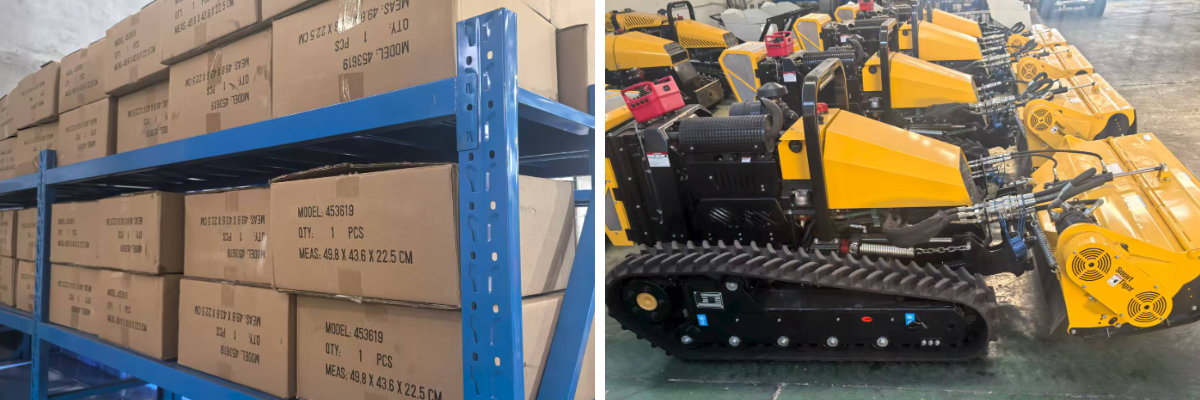
Why Invest in a Robotic Mulcher?
For B2B buyers – land clearing contractors, forestry agencies, municipal public works departments, utility maintenance crews, and large‑estate managers – the Robotic Mulcher delivers a clear competitive advantage. It combines the power to clear dense vegetation with the intelligence to prevent accidents on steep slopes. The comprehensive safety system – tilt sensors, over‑angle alarms, automatic shutdown, and brake correction – reduces liability, protects operators, and ensures reliable performance in the most demanding conditions.
By replacing dangerous manual methods or conventional equipment that cannot handle extreme terrain, the Robotic Mulcher typically pays for itself within 6–12 months of regular use – through reduced labour costs, eliminated accidents, and increased daily productivity.
Contact our technical sales team today to request a quotation, arrange a live demonstration video, or discuss custom configurations such as extended radio range, cold‑start kits, or site‑specific attachment packages. Replace risk with intelligence – choose the Robotic Mulcher for your next vegetation management project.