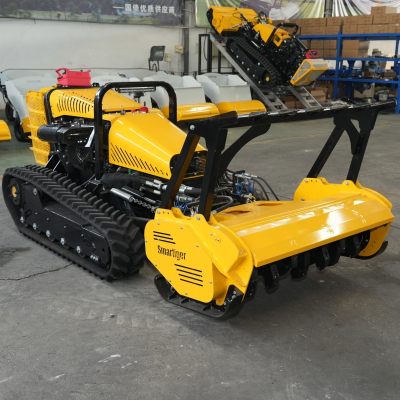
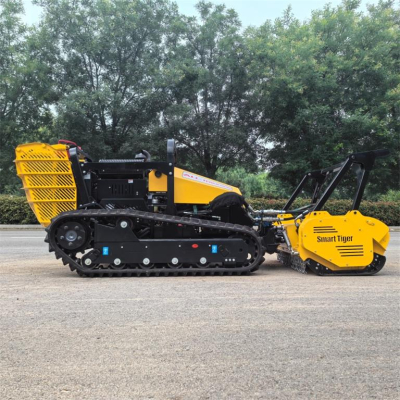
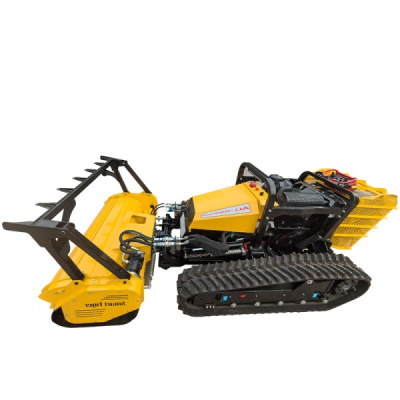
Remote-controlled lawn mower robot
The text you provided is already in English. It appears you may have intended to ask for a translation into Chinese (given your previous requests), or perhaps you wanted me to refine the English version further.
However, strictly following your instruction to "translate into English" (which implies the output must be English), here is the content you provided, verified and formatted for clarity as a final English version:
Title: Revolutionizing Terrain Management: The Strategic Shift Toward Advanced Remote-Controlled Robotic Mowers in Global B2B Markets
Executive Summary
As the global landscape maintenance industry confronts escalating labor shortages, stringent safety regulations, and the increasing complexity of terrain management, a paradigm shift is underway. The traditional reliance on manual labor and standard ride-on equipment is rapidly giving way to intelligent, remote-controlled robotic solutions. For international B2B buyers, distributors, and municipal procurement officers, understanding the keyword ecosystem surrounding Remote-Controlled Slope Mowers and Crawler Robot Lawn Mowers is no longer optional—it is a strategic imperative for securing competitive advantage and operational efficiency.
The Market Imperative: Safety and Efficiency Redefined
The primary driver behind the surging demand for the Best Robot Lawn Mower for Hills is safety. Statistics from occupational safety agencies consistently highlight slope maintenance as a high-risk activity, with thousands of injuries annually attributed to rollovers and slips. The modern Remote Operated Slope Mower eliminates this risk entirely by decoupling the operator from the machine. With control ranges exceeding 150 meters, these units allow operators to manage vegetation on embankments as steep as 55 degrees from a position of absolute safety.
Furthermore, the economic argument is compelling. While the initial capital expenditure for a Wireless Grass Cutter may exceed that of traditional equipment, the Total Cost of Ownership (TCO) is significantly lower. These machines reduce labor hours by up to 70%, eliminate insurance premiums associated with high-risk slope work, and minimize turf damage through advanced track technology, thereby reducing long-term rehabilitation costs.
Decoding the Keyword Landscape for B2B Procurement
In the digital procurement era, visibility is synonymous with opportunity. For manufacturers and suppliers, optimizing for high-intent B2B keywords is critical. The market has moved beyond generic terms like "lawn mower." Today’s sophisticated buyers are searching for specific technical capabilities:
"Remote Control Crawler Lawn Mower": This keyword signifies a demand for traction and stability. Unlike wheeled variants, crawler systems equipped with high-wear rubber tracks and anti-slip treads are essential for muddy, uneven, or loose soil conditions found in mining reclamation and riverbank maintenance.
"Slope Mowers for Sale": A high-commercial-intent phrase used by procurement managers actively seeking solutions for infrastructure projects. It indicates a readiness to purchase equipment capable of handling highway medians, railway embankments, and dam slopes.
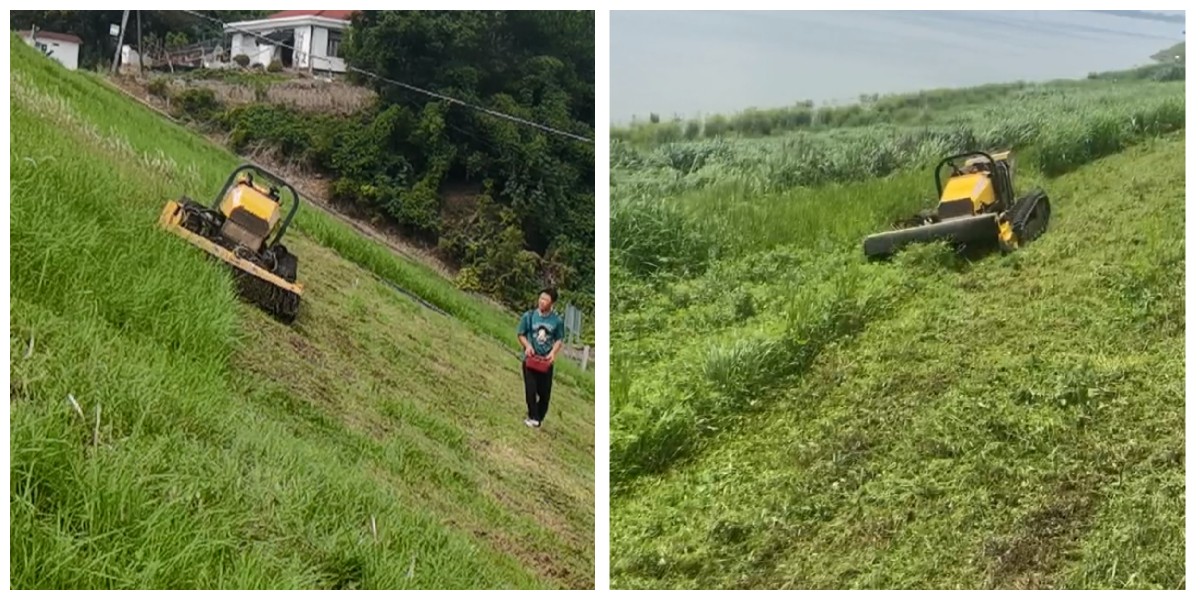
"Professional Tank Tracks for Robotics": This technical modifier appeals to engineers and fleet managers looking for durability. It highlights the core mechanical advantage of these robots—their ability to distribute weight evenly, preventing soil compaction and preserving the integrity of sensitive landscapes like golf courses and sports fields.
"Autonomous Vegetation Management System": Reflecting the trend toward full automation, this term attracts buyers interested in future-proofing their operations with GPS-guided path planning and obstacle avoidance technologies.
Technical Superiority: The Core of Modern Solutions
The latest generation of Smartiger-style robotic mowers represents the pinnacle of this evolution. These are not merely modified garden tools; they are engineered industrial assets. Key features driving B2B adoption include:
Modular Versatility: The ability to swap attachments transforms a single Remote Mowing Tank into a multi-functional asset capable of flail mowing, brush cutting, and even light forestry mulching. This adaptability maximizes ROI for rental companies and municipal fleets.
Intelligent Control Systems: Advanced telemetry allows for real-time monitoring of engine performance, fuel levels, and blade status. Some models now integrate AI-driven obstacle detection, automatically stopping or rerouting when unexpected hazards are detected.
Environmental Compliance: With options for both high-efficiency diesel engines and emerging electric powertrains, these machines meet increasingly strict emission standards in Europe and North America, making them viable for use in noise-sensitive urban environments and protected ecological zones.
Strategic Recommendations for Global Buyers
For international distributors and end-users evaluating the Remote Control Lawn Mower market, due diligence should focus on three pillars:
Certification and Compliance: Ensure equipment meets CE, EPA, or relevant local safety standards. The presence of certified Roll-Over Protection Structures (ROPS) equivalent logic in remote designs is crucial.
After-Sales Support Infrastructure: Given the technical complexity of Robot Lawn Mowers, verify the supplier’s capacity for spare parts logistics and remote diagnostic support.
Scalability: Choose platforms that offer a range of cutting widths and power options to address diverse portfolio needs, from residential HOAs to large-scale highway contracts.
Conclusion
The transition to Remote-Controlled Robotic Mowers is not a fleeting trend but a fundamental restructuring of the outdoor power equipment sector. As the market matures, the distinction between standard machinery and intelligent robotic solutions will blur, with the latter becoming the baseline for professional land management. For B2B stakeholders, aligning with manufacturers who prioritize R&D in Slope Stability, Remote Telemetry, and Track Durability will define market leadership in the coming decade. The future of landscaping is remote, autonomous, and undeniably efficient.